For millions of people with diabetes, monitoring glucose has traditionally meant finger sticks, manual readings, and making treatment decisions from snapshots in time.
Continuous glucose monitors are changing that model.
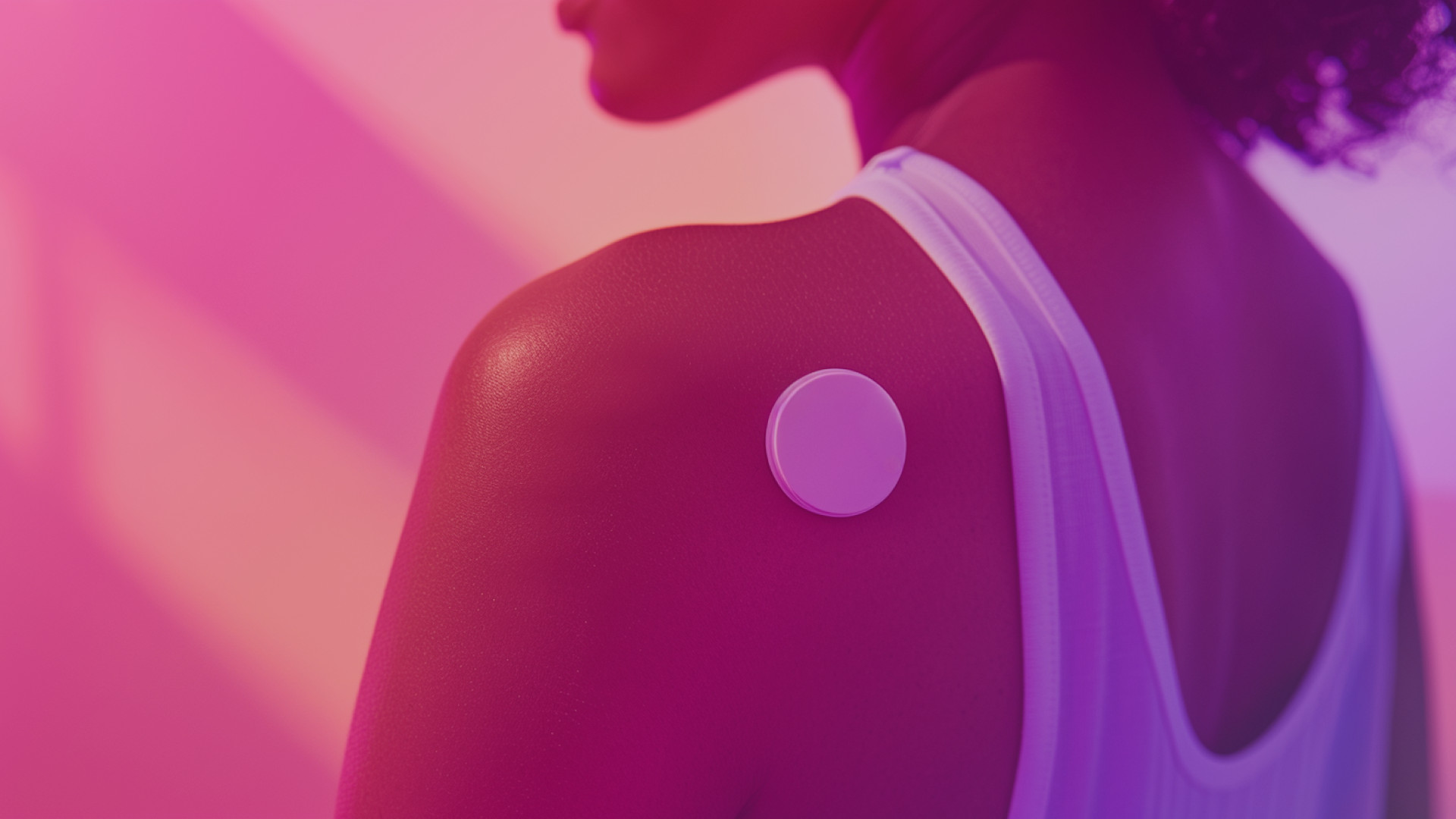
CGMs are small wearable sensors that measure glucose throughout the day and night, giving users a much more complete picture of how their levels are changing. The technology is not new, but a wave of innovation around accessibility, sensors, AI, and connected care is turning diabetes monitoring into one of the most interesting areas of wearable health technology.
For founders, the opportunity is increasingly about what happens around the glucose reading.
CGMs Are Becoming a Standard Part of Diabetes Care
Companies like Dexcom and Abbott have helped move continuous glucose monitoring into the mainstream.
Unlike a traditional glucose meter, a CGM continuously measures glucose through a small sensor worn on the body. Users can see not only their current glucose level but also whether it is rising or falling.
The clinical case is growing alongside adoption. The American Diabetes Association’s 2026 Standards of Care notes that CGM use can improve measures including A1C and time in range while reducing hypoglycemic episodes for certain people with diabetes.
Access Is Expanding
One of the biggest shifts is who can access these devices.
In 2024, the FDA cleared Dexcom’s Stelo as the first over-the-counter glucose biosensor. In June 2026, the FDA expanded Stelo’s clearance to people ages two and older who do not use insulin, making it the first OTC CGM cleared for children.
Abbott has also received FDA clearance for Libre Rio, an OTC continuous glucose monitoring system intended for adults who do not use insulin.
For founders, greater access creates opportunities beyond the sensor itself, from patient education and data interpretation to remote monitoring and care coordination.
The Sensor Is Getting Smarter
The next generation of diabetes wearables may also monitor more than glucose.
In May 2026, Abbott received CE Mark in Europe for Libre Duo, which the company says is the first wearable capable of continuously monitoring both glucose and ketones through a single sensor. Rising ketones can signal the risk of diabetic ketoacidosis, a potentially life-threatening complication of diabetes.
This points toward a future where one wearable could capture multiple biomarkers and provide a more comprehensive picture of a patient’s metabolic health.
AI Could Become the Intelligence Layer
CGMs generate enormous amounts of information. The next challenge is turning it into useful decisions.
Researchers are already exploring AI models designed specifically around CGM data. A 2026 study introduced GlyLLM, a framework combining wearable sensor data with individual health information to improve personalized glycemic assessment in people with Type 2 diabetes.
That opens a much larger opportunity for founders. Future platforms could help identify patterns, forecast glucose changes, personalize interventions, and give clinicians better tools for understanding continuous patient data.
The Opportunity Is Bigger Than the Monitor
The next breakthrough in diabetes technology may not simply be a smaller or longer-lasting sensor.
It could be the software interpreting the data. The platform connecting patients and clinicians. The AI identifying meaningful patterns. Or the multi-biomarker sensor detecting risk before a patient realizes something is wrong.
CGMs are turning diabetes management from periodic measurement into continuous information. For healthtech founders, the opportunity is to determine what we can do with that information next.