Company Overview
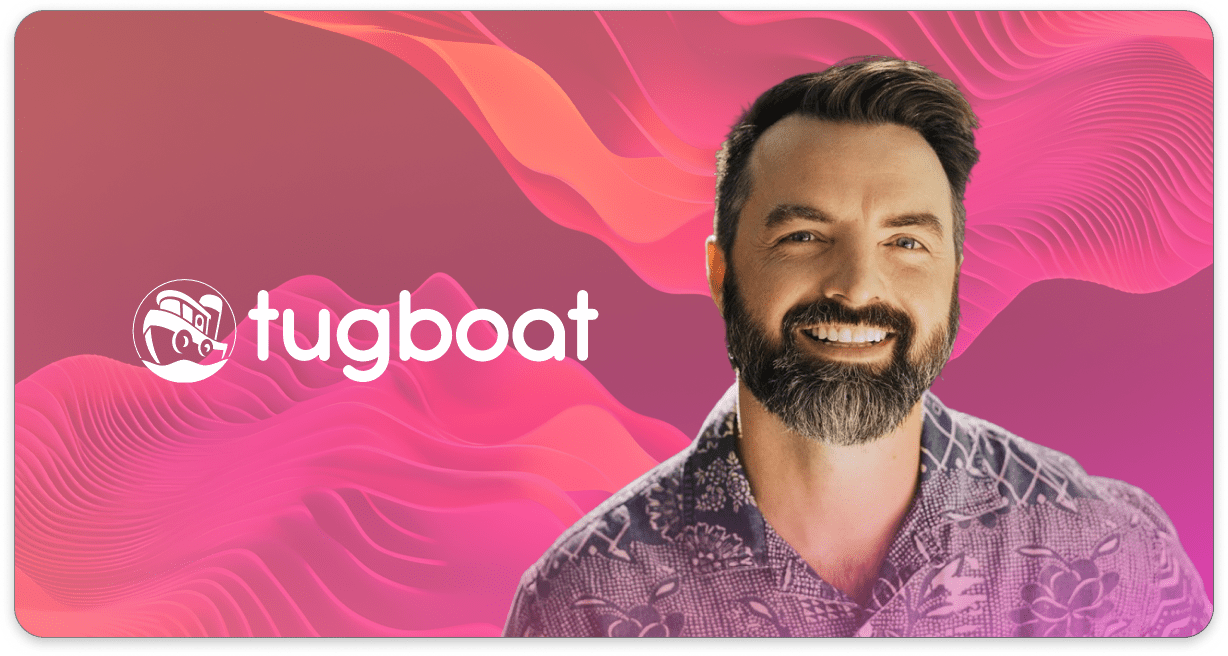
Cameron Mooney, Founder & CEO of Tugboat, a membership-based web app that helps homeowners navigate property insurance claims with expert tools and support. Members get personalized help during a claim, plus pre-loss resources like policy education and AI-powered home inventory tools to stay prepared year-round. Learn more at https://tugboat.claims/.
Can you tell us a little about your background before starting at your company?
I started in catastrophe adjusting nearly ten years ago — my first deployment was Hurricane Harvey in Houston. Like a lot of us in this space, you get thrown into it. You’re suddenly in charge of managing catastrophic losses for homeowners in the midst of their homes and lives being turned upside down.
From there I worked for several independent adjusting firms in Southern California and around the country, then moved to the policyholder side as a public adjuster at a large firm in Los Angeles. For most of the last decade, my professional life has been centered around insurance claims — first as an independent adjuster, then as a public adjuster, and since 2023, full-time as co-founder and CEO of Tugboat. Before insurance, I helped start a couple of nonprofits in Los Angeles.
How did you start at your company? What were the first steps you took to get it off the ground and how did you identify the need for your product/service in the market?
After running thousands of claims for carriers and then working the policyholder side as a public adjuster, the need was impossible to miss. Policyholders are at a massive information disadvantage when they file a claim. They don’t know what their policy actually covers, they don’t know what the process should look like, and they don’t have anyone in their corner who isn’t being paid by the insurance company. The first thought was to build a TurboTax for insurance claims — help policyholders leverage the information that adjusters already know to have more successful claims.
As a public adjuster, I was able to help people navigate that — but only those who could afford to hire me and had very large losses. The vast majority of homeowners are on their own. That’s the gap Tugboat was built to fill.
The first steps were exploring how a homeowner could navigate their own claim more successfully without representation from a public adjuster or attorney. That dynamic is fundamentally different than handing your claim over to someone else — so we had a lot of learning to do in those early days. Learning what that looked like in practice, and then learning how to talk about what we were building in a way that could meet homeowners where they were at. From there, my co-founder Aaron and I raised a pre-seed round and started building the product properly.
What innovations or unique features set your company apart from others in the industry?
Most insurtech companies are built to help carriers operate more efficiently. We’re built for the other side — the policyholder. That alone is pretty differentiated.
When you keep your incentives completely aligned with the policyholder, it informs what and how you build. For us, that means enabling policyholders to better understand the contract they signed, navigate disputes, negotiate better settlements, and have tools to be better prepared for claims should they ever happen. Pre-loss tools exist on the carrier side, but they’re built for underwriting. Claims tools exist too, but they’re built for adjusters and their vendor program contractors. Not for the use or benefit of the policyholder.
Most importantly, everything we build sits on top of the data from every claim we’ve ever supported someone through. Every past user’s success or challenge informs our next interaction with a new user — helping them have more success and a better understanding of their insurance company and the policy they hold. That data is becoming a consumer infrastructure layer for property insurance that has never previously existed.
What has been the most effective strategy for scaling your business?
Staying close to the problem. For us, scaling means being heavily involved in catastrophe losses and finding channel partners who are incentive-aligned — partners who need their customers’ or their own policy decisions and future claims to go well. We distribute our pre-loss tools through multi-family portfolio owners, financial institutions, and others who are touched by insurance and the problems that exist around damage and disputes. The result is more positive financial outcomes and better customer experiences for everyone in that chain.
Looking ahead, what are your goals for the future of your company?
As I mentioned, we’re building the consumer infrastructure layer for property insurance that has never existed before. We want a world where policyholders have the information and tools they need not just when disaster strikes, but long before — when they’re deciding which policy to buy, which carrier to trust, and how to protect what they care about most. We want carriers to have to compete on performance, not just price — and for consumers to make decisions based on real data, not slogans and whoever their favorite mascot or quarterback spokesperson is.
Longer term, we’re building toward a world where better-informed policyholders actually improve outcomes for carriers too. Fewer disputes, faster resolutions, less litigation. The best version of this isn’t adversarial — it’s a system that works better for everyone.